Roofing · Newcastle upon Tyne, Tyne and Wear
Roofer in Wallsend: Shipbuilders' Terraces, Interwar Semis & Tyne-Mouth Wind Exposure (NE28, North Tyneside)
Wallsend's roofs face the weather more openly than anywhere else we cover, and that is the fact to start with here. The town sits about four miles east of Newcastle along the north bank of the Tyne, out towards the river mouth and the North Sea, so its roofs catch wind and driving rain with far less shelter than the inland suburbs — wind uplift on ridges, verges and slates and rain ingress at flashings are the pronounced failure points.
Storm Arwen in November 2021, called the worst winter storm to hit the Tyne and Wear Metro in its 41 years, was exactly the kind of coastal-facing event that lifts ridges and strips slates on Tyne-mouth roofs like these. We founded Newcastle Roofer Restoration Company in 2008, and Wallsend has been a regular part of the round ever since — an easy run east from our base at 172 Benton Road in High Heaton.
One thing about Wallsend changes the paperwork on every job, and we want to be clear up front: Wallsend is not in the City of Newcastle. It lies in the Metropolitan Borough of North Tyneside, so building control, any works notification and any conservation-area designation run through North Tyneside Council, not Newcastle City Council. It is a common source of confusion because the Newcastle postal identity is so strong here, but for a notifiable structural repair or a roof in a designated area, it is the North Tyneside authority that applies. We know the distinction and plan the right notification into the job.
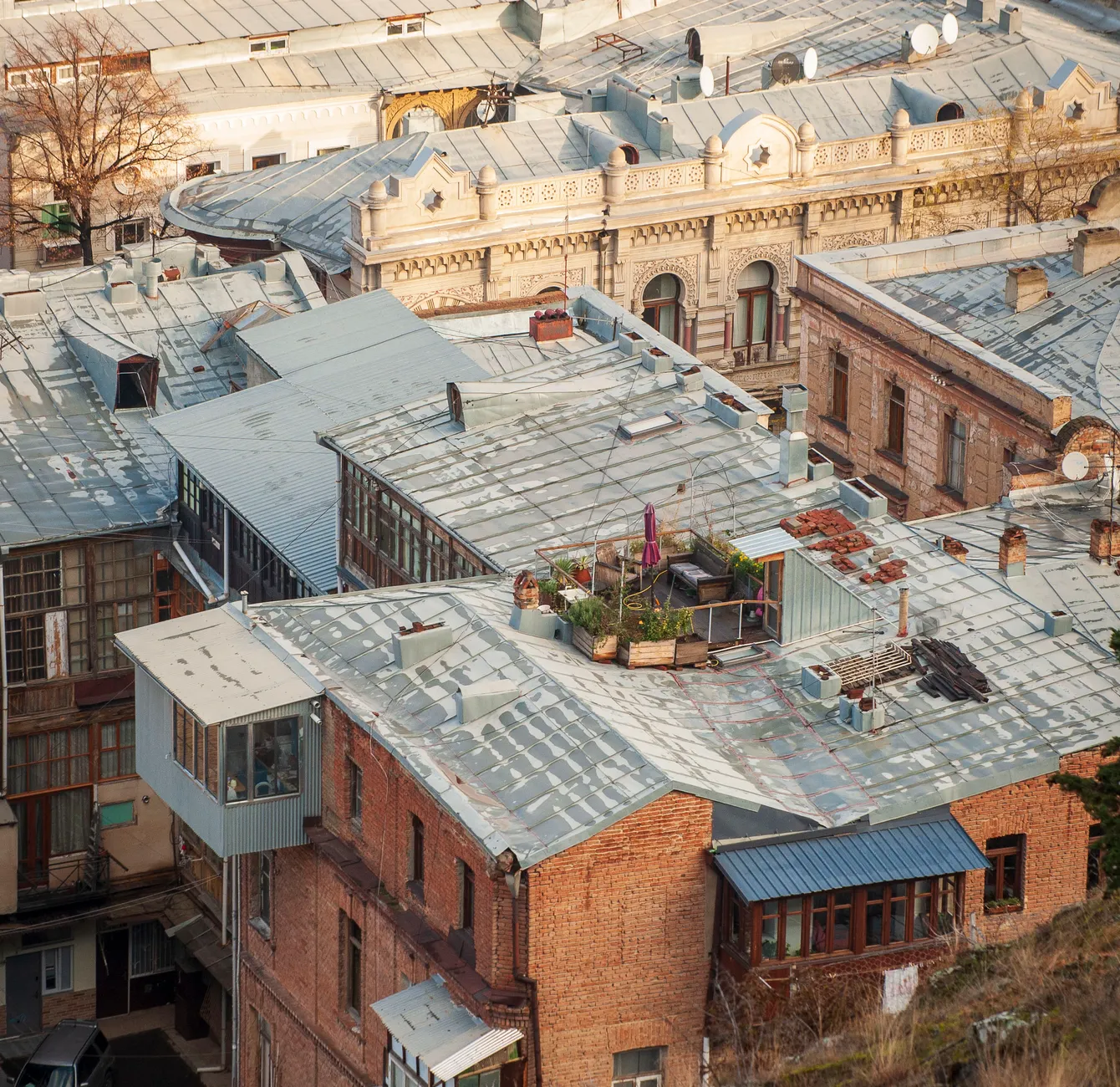
The housing reflects Wallsend's history as a coal and shipbuilding town. The Roman fort of Segedunum guarded the eastern end of Hadrian's Wall where it ran down to the Tyne shore, and from the 19th century the Swan Hunter yard built liners including the record-breaking RMS Mauretania before it closed in 2007. That industrial workforce, recorded at 43,826 residents at the 2011 census, filled Wallsend with dense shipbuilders' and colliers' terraces and Tyneside flats near the old yards, then large interwar and postwar estate stock spreading north from the river. The older terraces carry slate with lead valleys and chimney flashings; the interwar and postwar houses carry clay and, increasingly, concrete tile — both exposed to the Tyne mouth.
Local Service
Exposed to the Tyne Mouth: Wind Uplift & Storm Damage
Wallsend's near-coastal position is the dominant factor in its roofs' wear — more open to North Sea wind and driving rain than the inland suburbs — so we build wind resistance into every repair rather than patching and hoping the next storm holds off.
Storm Damage, Slipped Slates & 24-Hour Response
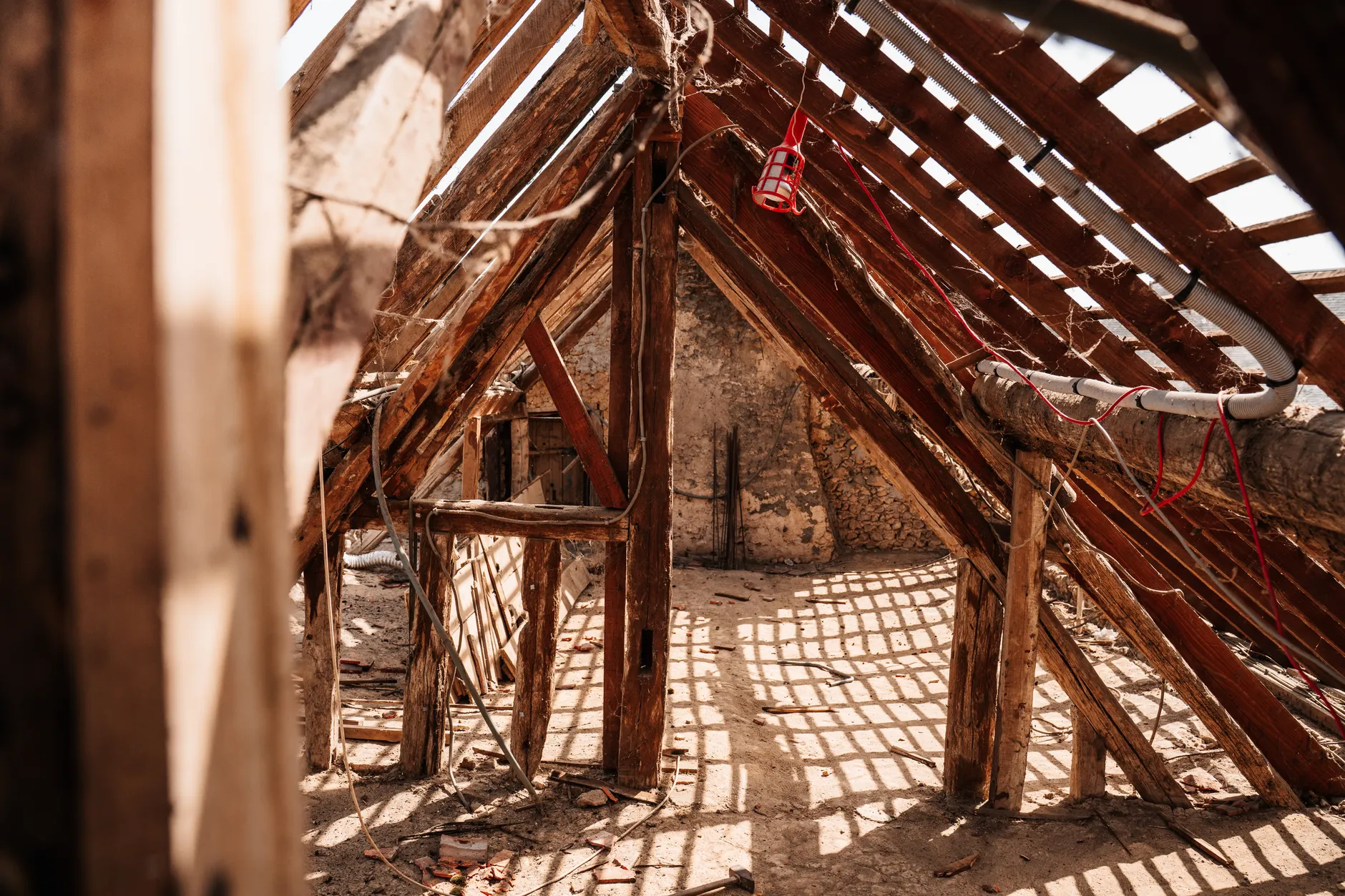
When a storm comes up the Tyne mouth on a northerly, Wallsend feels it. Ridges and verges are the first to go — wind gets under a loose ridge tile or an exposed verge and lifts a run of them — and once slates are gone the felt is bared to driving rain and a leak follows fast. On a stripped ridge or a slipped slope, the priority is to make the roof safe and watertight before more water gets in.
Making Wallsend Roofs Safe First
The roofers we coordinate answer the emergency line 24 hours a day on 07460 067785 and treat NE28 as core ground, so a storm-damage callout in Wallsend is rarely a long wait. We make the roof safe first, then set out the full repair in a fixed written quote. See our roof repairs page for how storm and slipped-slate work is scoped and priced.

Securing Ridges, Verges & Slates to BS 5534
On a roof this exposed, how the covering is fixed matters as much as the covering itself. A lot of older Wallsend ridges and verges were bedded in mortar alone, which dries out, cracks and lets the wind get underneath, and slates on corroded nails slip in numbers once nail sickness sets in. The near-coastal wind uplift here is genuinely higher than on an inland roof, so a repair that just re-beds tired mortar tends not to last through the next storm season.
Dry-Fixing Ridges & Verges for the Tyne-Mouth Wind
We re-fix and, where appropriate, dry-fix ridges and verges to the mechanical-fixing and wind-uplift requirements of BS 5534, and re-secure slates and tiles so they hold in a Tyne-mouth wind rather than relying on old mortar. Every repair is set out in writing before we start, so you know why it is specified the way it is.

Rain Ingress at Flashings on the Exposed Terraces
Driving rain off the North Sea does not just fall on a Wallsend roof, it is pushed at it horizontally, and that finds any weakness at a flashing or abutment. Perished lead around chimney stacks, cracked mortar fillets, failed soakers where a roof meets a wall, and undersized or split valleys all let wind-driven rain track in far more readily on an exposed roof than a sheltered one. On the older shipbuilders' terraces those lead details are often original and well past their service life.
Re-Forming Stack & Valley Lead to BS EN 12588
We re-form stack flashings, aprons, soakers and valleys in code-sized rolled lead to BS EN 12588, repoint the mortar fillets and flaunching, and make sure every abutment sheds water rather than holding it. Our chimney and leadwork page sets out the full approach, quoted in writing before any work starts.
Local Service
Two Kinds of Wallsend Roof: Shipbuilders' Terraces & Interwar Estates

Slate, Valleys & Stacks on the Victorian Terraces
The dense terraces and Tyneside flats near the old yards were built for the coal and shipbuilding workforce, roofed in natural slate with lead-lined valleys between the pitches and lead flashings to shared chimney stacks. A century and more of Tyne-mouth weather has worked into all of it — nail sickness slipping the slates, split and silted valleys, and perished stack lead. As across the city, many are Tyneside flats, so a single roof sits over two households and a repair covers the whole shared slope.
Re-Fixing Slate & Valleys to BS 5534
We re-fix and replace slipped slates, strip and re-form split valleys and stack flashings in rolled lead, and where nail sickness is widespread we advise on a full or partial re-slate. Slating is fixed to BS 5534 for wind uplift. A roof repair on a Wallsend terrace is priced in writing first, after a free survey.

Tile Repairs & Re-Roofing the Interwar & Postwar Semis
Spreading north from the river through Battle Hill, Rosehill and the estate streets are Wallsend's large interwar and postwar semis, roofed in clay and, increasingly, concrete tile. That stock is now at the age where tiles slip, battens fail and the mortar on hips and ridges perishes, and on these exposed roofs a slipped tile quickly becomes a wind-lifted run and then a leak. Concrete tiles also grow more brittle with age, so re-fixing them properly matters.
Re-Roofing to Building Regulations Part C
We re-fix and replace slipped clay and concrete tiles, renew failed battens, and re-bed or dry-fix hips and ridges to BS 5534 so they hold in the wind. Where a roof is beyond economic patching we strip and re-roof it, renewing battens and breathable underlay to Building Regulations Part C. Our roof replacement and re-roofing page explains how a full re-roof is scoped and quoted.
Local Service
Flat Roofs, Guttering & Coverage Across NE28
Flat Roofs & Guttering on Exposed NE28 Roofs
Many Wallsend houses have flat roofs over rear extensions, dormers, porches and outbuildings, and on an exposed near-coastal roof ageing felt that has blistered, split or lost its chippings fails faster than it would inland. Guttering takes a hammering too — a lot of rainwater arrives at the eaves in a Tyne-mouth downpour, and a blocked or split gutter sends it down the wall head rather than to the drain.
Flat Roofs to BS 6229, BS 8217 & BS 8747
We repair and replace failed flat roofs in felt, EPDM rubber or GRP fibreglass to the reinforced-bitumen-membrane and flat-roof standards BS 8217, BS 8747 and BS 6229, and clear, realign and renew guttering, fascias and soffits so the rainwater side works properly. Our flat roof repair and replacement and guttering, fascias and soffits pages cover both, each quoted in writing.
Covering Willington Quay, Battle Hill & the High Street
Our Wallsend coverage runs across NE28 — the High Street and Segedunum end, Willington Quay down by the river, Howdon on the edge, and the interwar estates of Battle Hill and Rosehill spreading north. With 43,826 residents recorded at the 2011 census, Wallsend is a substantial town of dense terraces and estate housing, and we are on these streets regularly, so we know where the exposure bites hardest.
North Tyneside Council Building Control
Remember that Wallsend sits in North Tyneside, so building control runs through North Tyneside Council rather than Newcastle. Our Gosforth and Jesmond pages show how the bigger period villas and dense inner terraces differ from Wallsend's exposed, near-coastal stock, and our full services list sets out everything we cover.
Wallsend is our most exposed patch — dense shipbuilders' and colliers' terraces near the old Swan Hunter yard and Segedunum, and large interwar and postwar estates spreading north from the Tyne mouth — so the roof repairs and chimney and leadwork here turn on wind uplift, storm damage and rain ingress at flashings. See our roof replacement and re-roofing page for the estate semis, our flat roof repair and replacement page for the felt and fibreglass roofs over extensions and dormers, and our guttering, fascias and soffits page for the hard-worked eaves.
Note that Wallsend sits in North Tyneside, so building control runs through North Tyneside Council, not Newcastle. Our Gosforth and Jesmond pages show how the bigger period villas and dense inner terraces differ from Wallsend's near-coastal stock — or see all our services. For who we are and how we have built the firm from High Heaton since 2008, visit home.
Service Area
Serving Wallsend & Willington Quay (NE28)
Frequently Asked Questions
Which parts of Wallsend do you cover?
We cover all of NE28 across Wallsend — the High Street and Segedunum end, Willington Quay down by the river, Howdon on the edge, and the interwar estates of Battle Hill and Rosehill spreading north from the Tyne. If you are near the boundary and unsure whether your street is in our area, give us the address and we will confirm before quoting. Wallsend is an easy run east from our base at 172 Benton Road in High Heaton, a town we know street by street after years working its terraces and estates.
Is Wallsend in Newcastle, and does that matter for roof work?
It matters, and it is worth being clear about. Wallsend is not in the City of Newcastle — it lies in the Metropolitan Borough of North Tyneside, so building control, any works notification and any conservation-area designation run through North Tyneside Council rather than Newcastle City Council, unlike our Gosforth and Jesmond coverage. The strong Newcastle postal identity makes this a common source of confusion, but for a notifiable structural repair or a roof in a designated area, it is the North Tyneside authority that applies. We plan the correct notification into the job from the outset.
Why are Wallsend roofs more exposed to the weather than Newcastle's?
Wallsend sits about four miles east of Newcastle along the north bank of the Tyne, out towards the river mouth and the North Sea, so its roofs catch wind and driving rain with far less shelter than the inland suburbs. Wind uplift on ridges, verges and slates and rain ingress at flashings are the pronounced failure points here. Storm Arwen in 2021, the worst winter storm to hit the Tyne and Wear Metro in its 41 years, showed how hard these coastal-facing roofs can be hit, which is why we build wind resistance into every repair.
My ridge tiles lifted in a storm — can you make the roof safe quickly?
Yes — storm damage is core work for us in Wallsend, and the priority on a stripped ridge or a slipped slope is to make the roof safe and watertight before more water gets in. Ridges and verges are the first things to go when wind comes up the Tyne mouth, and once slates or tiles are gone the felt is bared to driving rain and a leak follows fast. The roofers we coordinate answer the emergency line 24 hours a day on 07460 067785 and treat NE28 as core ground, so a callout here is rarely a long wait.
How do you stop the same wind damage happening again?
The key is how the roof is fixed, not just what it is covered with. A lot of older Wallsend ridges and verges were bedded in mortar alone, which dries out, cracks and lets the wind underneath, and slates on corroded nails slip once nail sickness sets in. On a roof this exposed, re-bedding tired mortar rarely survives the next storm season, so we re-fix and, where appropriate, dry-fix ridges and verges to the mechanical-fixing and wind-uplift requirements of BS 5534 so they hold in a Tyne-mouth wind.
The chimney flashing on my Wallsend terrace lets rain in — can you fix it?
Yes. Driving rain off the North Sea is pushed at a roof horizontally, so it finds any weakness at a flashing or abutment, and on the older shipbuilders' terraces the lead around the stacks is often original and well past its service life. We re-form stack flashings, aprons and soakers in code-sized rolled lead to BS EN 12588, repoint the cracked mortar fillets and flaunching, and repair frost-damaged stack brickwork. On a Tyneside flat the stack is usually shared between two households, so a repair here fixes a leak affecting both.
Do you re-roof the interwar semis on the Wallsend estates?
Yes, full and partial re-roofing is core work, and the large interwar and postwar semis around Battle Hill, Rosehill and the estate streets are now at the age where it is often the sensible option. That stock is roofed in clay and, increasingly, concrete tile, and once tiles slip, battens fail and hip and ridge mortar perishes on an exposed roof, patching stops being economic. We strip and re-roof, renewing battens and breathable underlay to Building Regulations Part C and re-fixing to BS 5534 for wind uplift, all quoted in writing first.
Can you repair the felt flat roof on my Wallsend extension?
Yes — flat roofs over rear extensions, dormers, porches and outbuildings are routine work on the Wallsend round, and on an exposed near-coastal roof ageing felt that has blistered, split or lost its chippings fails faster than it would inland. We repair or replace failed flat roofs in felt, EPDM rubber or GRP fibreglass, working to the reinforced-bitumen-membrane and flat-roof standards BS 8747 and BS 6229 so the new covering has proper falls to shed the driving rain. The choice of covering and the price are set out in writing before we start.
Do you sort guttering, fascias and soffits in Wallsend?
We do, and on the exposed NE28 roofs guttering takes a real hammering, because a lot of rainwater arrives at the eaves in a Tyne-mouth downpour. A blocked or split gutter sends water down the wall head and into the soffit and wall rather than to the drain, rotting timber and staining brickwork. We clear, realign and renew guttering, replace rotten fascias and soffits, and make sure the discharge reaches the ground and the drain, all quoted in writing before we start.
How fast can you reach a roofing emergency in Wallsend, and is the survey free?
Our base at 172 Benton Road in High Heaton is an easy run west of Wallsend, and we treat NE28 as core coverage rather than dispatching cold. For storm damage, a stripped ridge, or a slipped slate letting water in, call 07460 067785 any time, 24 hours a day, and we will confirm a realistic arrival window and make the roof safe first. The roof survey and written quote are both free, checking the whole covering and setting out the scope, materials and price before any work starts.

Get a Fixed Written Quote for Your Wallsend Roof
Storm damage, a stripped ridge or a slipped slate off the Tyne mouth — call 07460 067785, any hour, for a free roof survey.
07460 067785